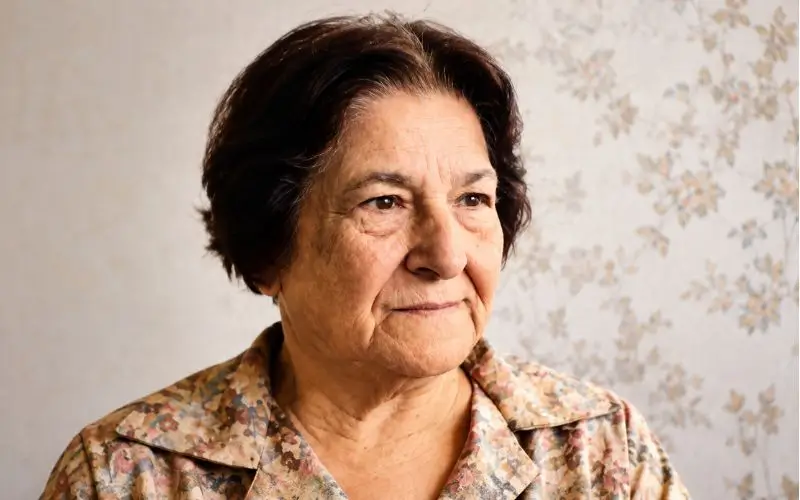
Dr. Saniya Habboub was one of the first Lebanese women to study medicine in France and receive her medical degree in the United States. She was born in Beirut in 1901 and, like her father, was born outside of the class system, and in 1931 qualified as a gynecologist and obstetrician and went back to Beirut to serve her community with medical services. She was also a humanitarian and a member of philanthropic societies.
Her story is not only about her medical success but also about the impact she had on the world through her education and how it could be used to reshape social expectations and offer opportunities for the generations that followed. In 1982, she was honoured by the Lebanese government, and Google honoured her with a Doodle on June 10, 2022.
Quick Facts About Dr. Saniya Habboub
| Detail | Information |
| Full name | Saniya Moustafa Habboub |
| Arabic name | سنية حبوب |
| Birth year | 1901 |
| Birthplace | Beirut, Lebanon |
| Nationality | Lebanese |
| Profession | Physician |
| Medical qualification | Medical degree in gynecology and obstetrics |
| Medical school | Woman’s Medical College of Pennsylvania, United States |
| Graduation year | 1931 |
| Main place of practice | Beirut, Lebanon |
| Humanitarian involvement | Lebanese Red Cross and charitable organizations |
| Major recognition | Health Medal of Merit, 1982 |
| Date of death | September 1983 |
| Google Doodle | June 10, 2022 |
These are according to the official Google Doodle biography and the historical account of Lebanese American University.
Who Was Dr. Saniya Habboub?
Saniya Habboub was a Lebanese medical pioneer whose accomplishments were achieved during a period when women were having difficulty obtaining a higher education or a career. The medical program at the American University of Beirut was not open to women in the manner in which she desired to study medicine, so she pursued her medical training in the United States.
She completed her studies and then moved back to Beirut and opened a medical practice. She helped women to seek professional medical services when women doctors were rare in the area.
Her impact was not hers alone. She came to symbolize the potential of women to do great things when given the chance to attend college. Her determination also played a role in bridging the gap between her own success and a broader shift in attitude towards women’s education and professional independence.
In English-language literature, her name is sometimes spelled Saniyya, Saniyeh, or Sania Habboub. The following spelling variations are used for the same person.
Early Life and Family Background
Childhood in Beirut
The future doctor was born in Beirut in 1901. Her family was a place where education, learning, and personal development were valued. Her father, Mustapha Habboub, was a leather worker and had a prosperous business. Adila Al-Jazairy, her mother, had not gone to school, but she had a strong conviction that her daughter should have the chance to learn.
Her interest in education stems from her mother when she was travelling and encountered a woman reading a newspaper, according to the Lebanese American University (LAU). It had an impact on her resolve to send any daughter she had to school. Later, this family support helped Habboub with his academic career.
She had five brothers and sisters. The family had a wider emphasis on promoting education for women, as a result of which her younger sister Nahil went on to study dentistry.
Education Despite Social Barriers
She attended the American School for Girls in Beirut. In 1909, she attended the American Junior College for Women, graduating with the class of 1926, one of the first three groups of women to obtain bachelor’s degrees from the college. She then went on to study at the American University of Beirut (AUB), where she was going to pursue a medical career.
But it was tough to be a woman in the social climate of the day, trying to pursue a career in medicine. Her desires were criticized, and her family was disapproved of by some of the members of their community. Notwithstanding these difficulties, her parents supported her studies.
She had made it to medical school in Beirut, but with this route closed, she had to seek medical education elsewhere. This would lead her to the shores of the Atlantic and make her a part of the medical history of Lebanon.
Medical Education in the United States
Studying Medicine Abroad
It took a lot of bravery to study in the USA. For young women, travelling abroad alone was an unusual experience in the 1920s, and studying medicine was an added challenge.
Habboub travelled to the United States in 1926. She pursued the education of a medical school that would be suitable for her and ultimately ended up at the Woman’s Medical College of Pennsylvania, which was created to offer women a chance in medical education. Living in Philadelphia provided a path to a career that had been challenging to her at home.
Her change of country was not merely a change of country. It was a concerted effort against the constraints on women’s professional education. She went ahead and pursued the training necessary for her to return to Lebanon as a trained physician, instead of giving up on her goals.
Graduation and Medical Specialization
She received her M.D. degree in the U.S. in 1931. She was trained in gynecology and obstetrics, which is the medical treatment of women’s reproductive system, pregnancy, childbirth, and related issues. According to the history of LAU, she earned a medical degree and then completed two years of specialized training in obstetrics.
She became the first Lebanese woman to get her medical degree abroad. Historical records also indicate that she was the sole Arab student in her class at the medical college where women studied medicine.
She not only graduated from the institution, but she was also talked about. To highlight the importance of her achievement, a Lebanese historian and Princeton University professor was asked to give the graduation speech.
She also expressed her appreciation to the institution by introducing the “Sri. Keeline Scholarship” to support future students. This gave her education beyond her own scope and helped to promote the educational experiences of those who came after her.
Returning to Lebanon and Establishing a Medical Practice
Opening a Clinic in Beirut
In 1933, Habboub left her studies and additional training to return to Lebanon. She started her own practice in Bab Idriss neighbourhood, Beirut, providing obstetric and general medical services.
It was a big decision for her to open her own practice. Female doctors were restricted in their profession and society, with the expectation to work with male doctors. She decided to have her own clinic and earned her reputation as a professional through her medical practice.
Some patients thought that she was a midwife and not a trained doctor. Her talent and dedication over time earned her the trust of the locals.
The clinic was an integral part of her service to the community. She didn’t train as a doctor just to make a career; her medical education was based on the medical needs of the people who did not have access to it.
Providing Affordable and Free Medical Care
Her most distinguishing works were her contributions to women who could not afford medical care. According to LAU, she provided free treatment to underprivileged women for about 50 years and visited their homes.
This was an era when financial constraints and social norms may have posed an obstacle to health care. Some female patients might find it easier to seek medical advice when there is a female doctor present.
Her practice thus became an important service both for the patients and as a role model for women as successful medical practitioners.
Her reputation was developed over the years, not through publicity. Those who doubted her worth at first saw her capabilities and began to accept women as doctors.
Humanitarian Work and Community Service
Involvement with the Lebanese Red Cross
Her public service wasn’t limited to medicine. Habboub also joined the Lebanese Red Cross Association and thus combined her medical experience with organized humanitarian activities.
The Red Cross movement is closely connected with humanitarian assistance, emergency assistance and suffering alleviation. Her involvement was in line with her broader interest in the welfare of the community, not just the clients who turned up at her office.
It is crucial to be aware that the documentation does not state that she is the founding member of the organization, nor that she led it. Her work was a part of a larger group effort.
Supporting Charitable and Educational Institutions
She was also active in various organizations:
- A place that cares for children who have no parents to care for them: Muslim Orphans’ Home.
- Young Women’s Muslim Association: an association related to women’s community and social life.
- Maqassed Hospital: One of the largest charitable hospitals in Beirut.
- American School for Girls: A school that she attended as a girl and then served as school doctor for.
These are examples of her work in healthcare, education, and social welfare.
The institutions she was involved in also help to fill in her legacy. In addition to her work with patients, she also served in community organizations that assisted the poor and helpless.
Personal Life and Family
She made many achievements in her career, but her personal life played a role in her experiences, too.
Historical publications by LAU show that in 1937 she married Muhammad al-Naqqash, a journalist. They had two daughters: Saniya Ellen and Iffat Elizabeth. Her family recalled her as a woman of determination who wanted her daughters to have the freedom to make their own choices.
Her choices in her personal life paralleled the independence of her career. She went to school amidst criticism, started her own medical practice, and led a life of labour and service to the people.
Her story is not just a tale of transcending tradition. It also demonstrates the significance of family support, access to education, financial self-sufficiency, and choice despite the social pressure.
Awards and Public Recognition
Lebanon’s Health Medal of Merit
The Health Medal of Merit was presented to Habboub by the Lebanese government in 1982 for some 50 years of medical service. The prize recognized a career of service to healthcare and community service.
This recognition was given late in her life, but the value of her work was beyond the award. Over the years, she had built up a precedent for women’s involvement in medicine.
A Street Named in Her Honour
She was also honoured with a street in Beirut. This public commemoration keeps her name alive in the city she was born in, trained in her early education, and where she finally practiced medicine.
This recognition connects her accomplishments with the people she served. It also provides a chance to the next generation to learn about a doctor’s career that defied the norm.
Why Did Google Honour Dr. Saniya Habboub?
Google published a Doodle on 10th June 2022 to celebrate her medical graduation anniversary. Her achievements were commemorated in the tribute as one of the first women to study medicine in the USA and the influence that her work had on upcoming generations.
Google’s account noted several key moments:
- Her graduation from the American Junior College for Women in Beirut in 1926.
- Her medical qualification in gynecology and obstetrics in 1931.
- Her return to Beirut and setting up her clinic.
- Her work in humanitarian and charitable groups.
- Her recognition from the Lebanese government in 1982 for her service.
The Doodle was created to give her story a wider international reach. It also stimulated a renewed interest in women’s history, particularly in the history of women’s accomplishments prior to the increased professionalization of women’s opportunities.
This was not a tribute only to an academic achievement. It acknowledged a way of life that blended service to the public, professional independence, and education.
Timeline of Her Life and Achievements
The following timeline summarizes the main milestones documented by Google and LAU.
| Year | Major event |
| 1901 | Born in Beirut, Lebanon |
| 1924 | Joined the inaugural freshman class of the American Junior College for Women |
| 1926 | Graduated from the college and travelled to the United States |
| 1931 | Earned her medical degree and pursued further specialized training |
| 1933 | Returned to Beirut and opened a medical practice in Bab Idriss |
| 1937 | Married journalist Muhammad al-Naqqash |
| 1982 | Received Lebanon’s Health Medal of Merit |
| 1983 | Died at the age of 82 |
| June 10, 2022 | Honoured with a Google Doodle |
The Lasting Legacy of Dr. Saniya Habboub
Dr. Saniya Habboub’s significance is rooted in her medical expertise, her entrepreneurial journey, and her steadfast dedication to those in need. Her accomplishments shattered the myth that any women could be advanced in medical training or be independent professionals.
Her teachings can be summarized in three ways.
1. Expanding Opportunities for Women
She went to medical school overseas and came back to practice medicine in Lebanon, proving that women could be trained physicians even if there weren’t many opportunities in their own country. Her career was a practical example for women thinking about going back to school.
2. Making Healthcare More Accessible
Her lifelong dedication to providing services to women who were unable to afford them linked success with service. Meaningful contributions to the community included home visits and free treatment.
3. Supporting Future Generations
Her scholarship and her participation in educational institutions and her example as a working physician extended her influence beyond her patients. Her story continues to have implications for the issues of gender education, earning equality, and access to health care.
Her legacy lives on today, thanks to these contributions. Her success went beyond being one of the first female medical students from Lebanon to study abroad; it also included her ability to serve her community with her education.
Conclusion
Dr. Saniya Habboub’s life is a testament to the power of education, determination, and public service. She overcame obstacles to medical school, received her medical degree in the United States, and established a private medical practice in Beirut. Her commitment to providing affordable health care and humanitarian aid was of significance in the history of medicine in Lebanon. Her enduring legacy is captured in the Health Medal of Merit, which bears her name, and Google’s 2022 Doodle. Her story is an inspiration for future generations and a reminder of the need for women’s education, professional equality, and access to healthcare in Lebanon and across the Arab world.
Read Also: Masdar Park in Khalifa City
Frequently Asked Questions
Who was Dr. Saniya Habboub?
She was born in Beirut, Lebanon, in 1901 and was a doctor. In 1931, she received her medical degree in the United States and provided medical services to women in Lebanon.
What was her medical specialty?
She had been studying gynecology and obstetrics during her medical studies. She also treated patients in her practice in Beirut for general medical problems.
Where did she study medicine?
She attended the Woman’s Medical College of Pennsylvania in Philadelphia, USA after receiving her schooling in Beirut.
Why was her achievement important?
She became the first Lebanese woman to obtain a medical degree outside of Lebanon as a result of educational and social obstacles that affected women’s access to professional opportunities.
Did she provide free medical treatment?
Yes. She provided free care to impoverished women without any hesitation for around 50 years; she worked at the Lebanese American University as well as in home visits, according to the university.
What award did she receive?
In 1982, she received the Health Medal of Merit from the Lebanese government for her services and contributions to society.
When did she die?
In September 1983, she passed away at the age of 82.
Why did Google honour her in 2022?
On 10th June 2022, Google took her to the sky in a Doodle to mark the 72nd anniversary of her medical graduation and her achievements in the healthcare and women’s education sectors.
